Hurricanes, typhoons and floods, right now
Every tropical cyclone on the planet at this moment — where it has been, where it is forecast to go and how wide its winds reach — with the floods and volcanic eruptions the United Nations' alert system is watching.
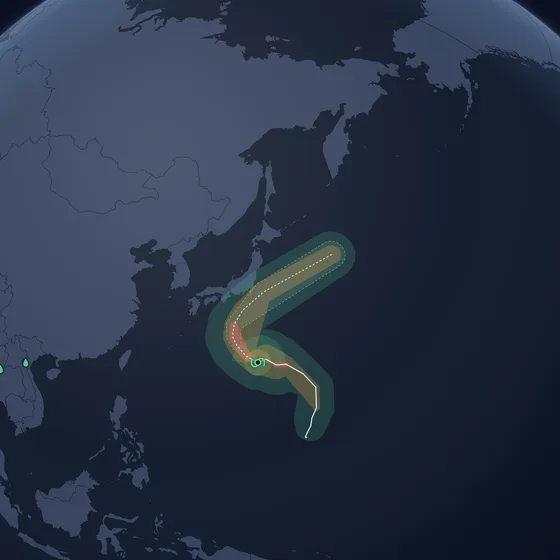
What you are looking at
A spiral marks each tropical cyclone: hurricane, typhoon or cyclone, the same storm under three names depending on the ocean. The solid line is the path it has taken, the dotted line and the pale cone are where forecasters expect it to go, and the coloured area is where the wind is strong now. Drops are floods and triangles are erupting volcanoes. The colour is GDACS's alert level — green, orange or red — an estimate of how much harm the event may do, from its strength and from how many people live in its way.
How to read it
- Green means little harm is expected, orange a moderate impact, red a severe one that may need international help.
- The cone is not the size of the storm: it is where its centre may be in the coming days, and it widens because forecasts grow less certain.
- Tap a mark for the storm's category, its winds, the countries in its way and GDACS's full report.
Where the data comes from
GDACS, the Global Disaster Alert and Coordination System of the United Nations and the European Commission, which gathers cyclone forecasts from the world's warning centres. Kartavera asks every half hour while the layer is open. The alerts are automatic estimates, not official warnings: follow your national weather service.
Questions
- What is the difference between a hurricane, a typhoon and a cyclone?
- Only the place. The same kind of storm is a hurricane in the Atlantic and the eastern Pacific, a typhoon in the north-western Pacific and a cyclone in the Indian Ocean and the South Pacific. All are tropical cyclones, and all are classed by their sustained winds.
- How many tropical cyclones are there at once?
- Usually between none and five, most of them from August to October in the northern hemisphere and from January to March in the southern. Around eighty to ninety form in a year, and about half reach hurricane strength.
- What do the alert colours mean?
- GDACS scores each event by its physical strength and by the people and buildings exposed to it. Green expects little humanitarian impact, orange a moderate one, red a severe one. A very strong storm over empty ocean can be green; a weaker one over a crowded coast can be red.
More of the planet, live
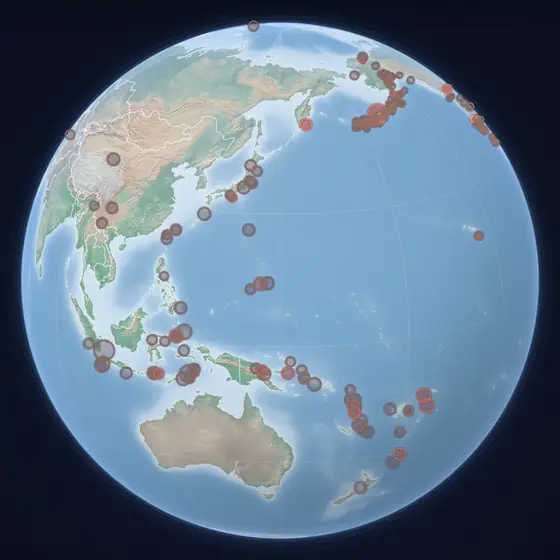 Earthquakes today, on a true-size map
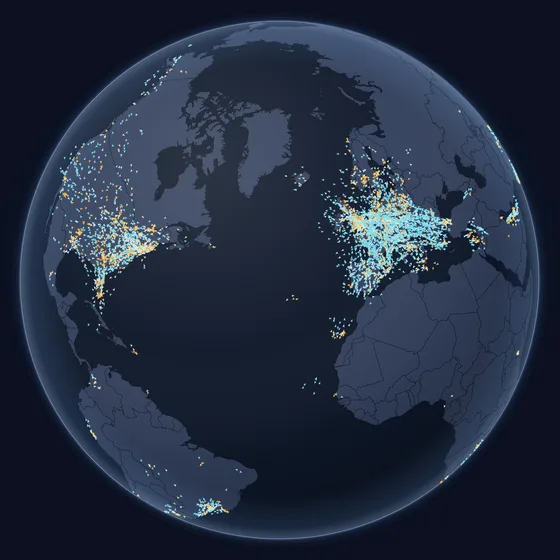 Every aircraft in the air, right now
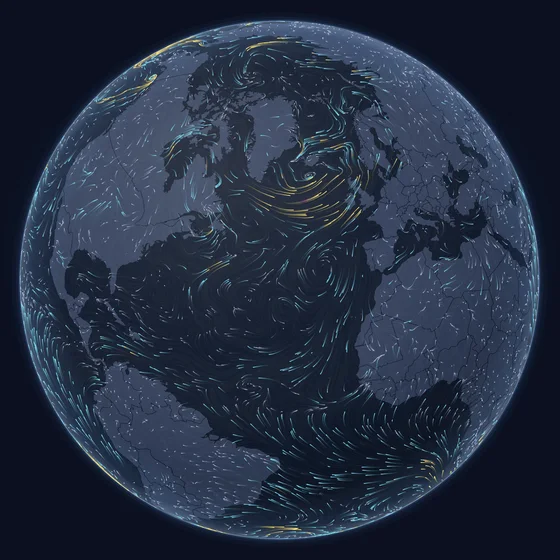 The wind, flowing over the whole planet
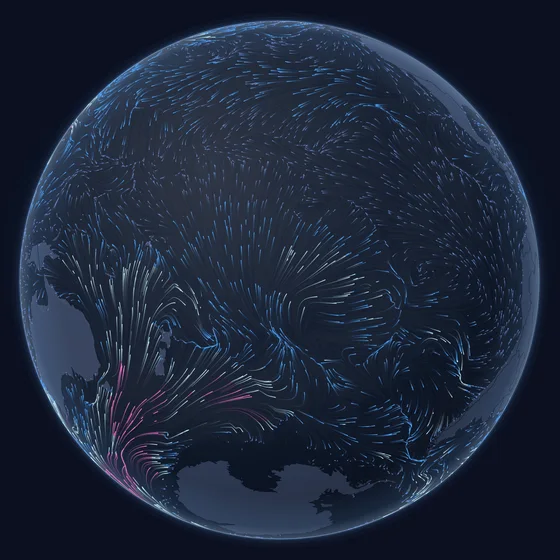 The sea, as high as it is right now
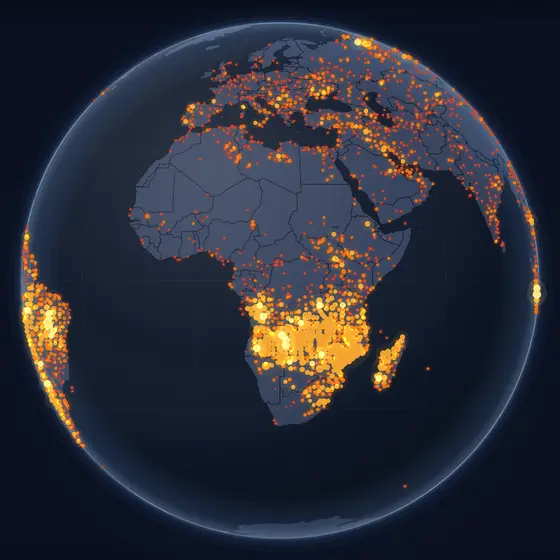 Fires burning now, seen from space
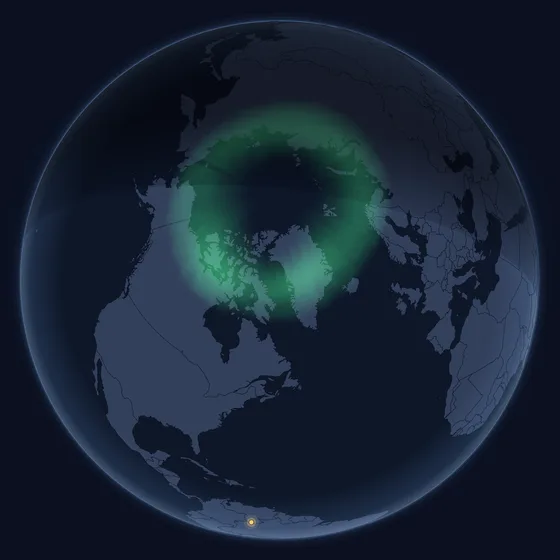 The northern lights, where they are tonight
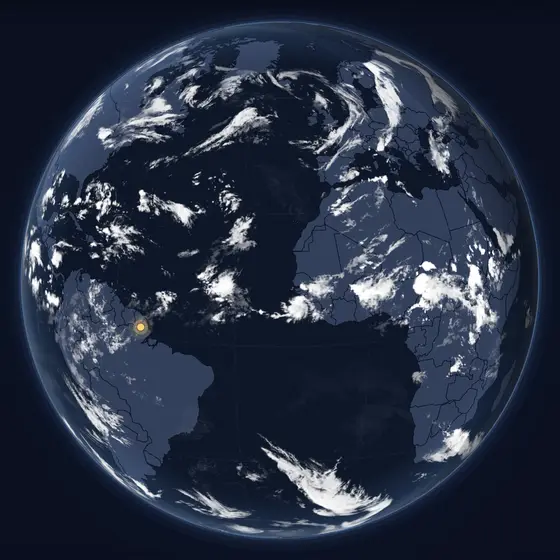 The sky from space, and where it is night
 The temperature right now, around the world
 The air right now, where it is measured
 What time it is everywhere, right now
 Every satellite, where it is this second
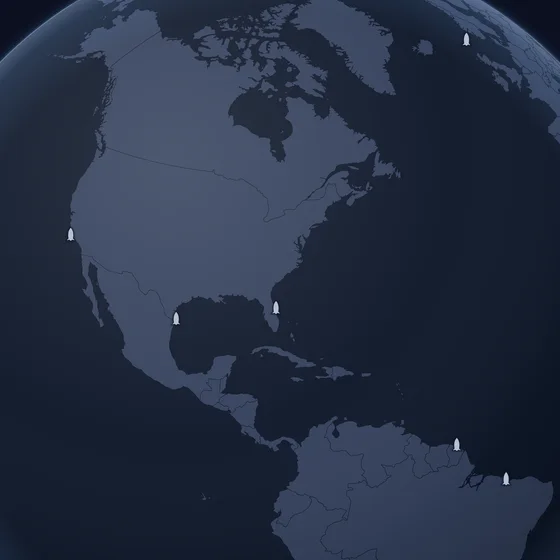 The next rockets to leave the Earth
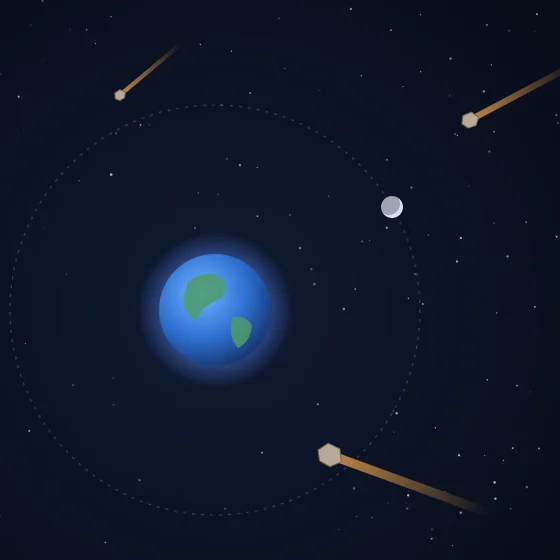 What is passing the Earth, and how close
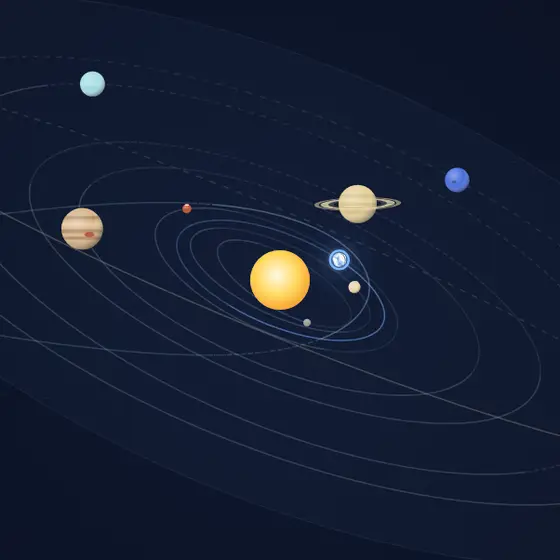 The Solar System, where the planets are today
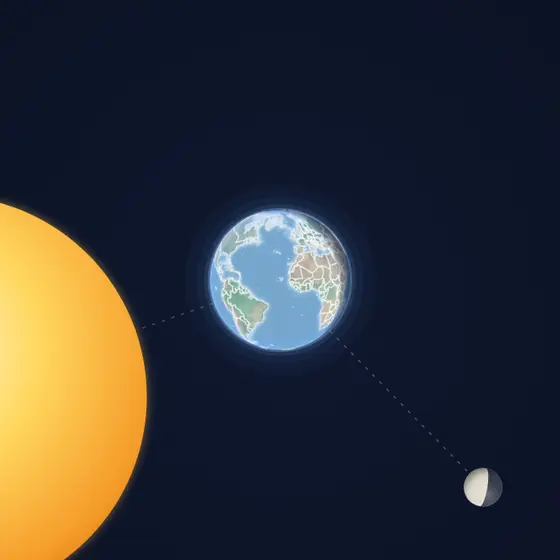 The Earth and the Moon, where they are now