What is passing the Earth, and how close
A few asteroids pass within a few million kilometres of the Earth every week. Here is every known one for the next sixty days — when it comes nearest, how far away in distances to the Moon, how big it probably is and how fast it is going.
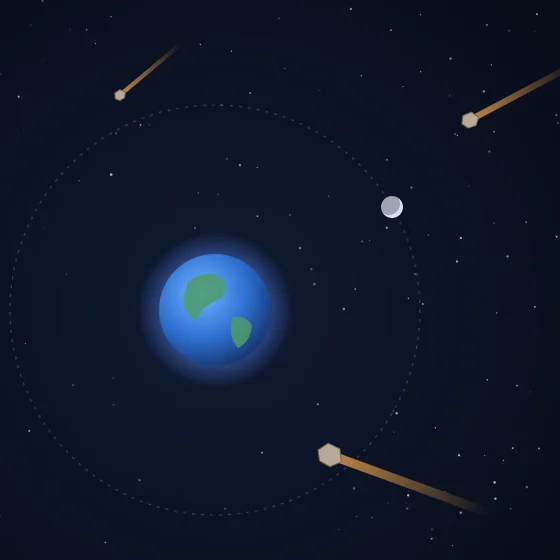
What you are looking at
The distances are counted in Moons: one lunar distance is 384,400 km, so “4 × Moon” is an asteroid that comes no nearer than four times as far as the Moon. Anything on this list is near by the standards of the Solar System and far by ours — none of them is going to hit. The size is a range because for most of these rocks only the brightness is known: a dark one must be bigger than a bright one to shine the same.
How to read it
- “× Moon” is the nearest it gets, in distances to the Moon; amber marks one that passes closer than the Moon itself.
- The size is a range: it depends on how dark the surface is, which nobody has measured for most of them.
- Open the Earth and the Moon to scale to see how empty even one lunar distance is.
Where the data comes from
NASA/JPL Solar System Dynamics close-approach data (public domain): every known asteroid passing within 0.05 astronomical units — about 7.5 million km — in the next sixty days. Kartavera asks every six hours. New asteroids are found every night, often a few days before they pass, so the list grows.
Questions
- Is any asteroid going to hit the Earth?
- None of the known ones in the coming century has more than a very small chance, and nothing on this list will. The ones here pass at several times the distance of the Moon; an asteroid that passes inside the Moon's orbit is usually the size of a car or a house and would burn up or break apart in the air.
- How often does an asteroid pass closer than the Moon?
- Known ones, a few times a month — nearly all of them a few metres across and found only days before. The surveys that look for them find more every year, so the count keeps rising even though the sky has not changed.
- How big does an asteroid have to be to be dangerous?
- About 20 metres makes a blast like Chelyabinsk in 2013, which broke windows across a city. About 140 metres would devastate a region, and it is the size space agencies are trying to find all of. A kilometre or more would affect the whole planet; nearly all of those are already known, and none is on a collision course.
More of the planet, live
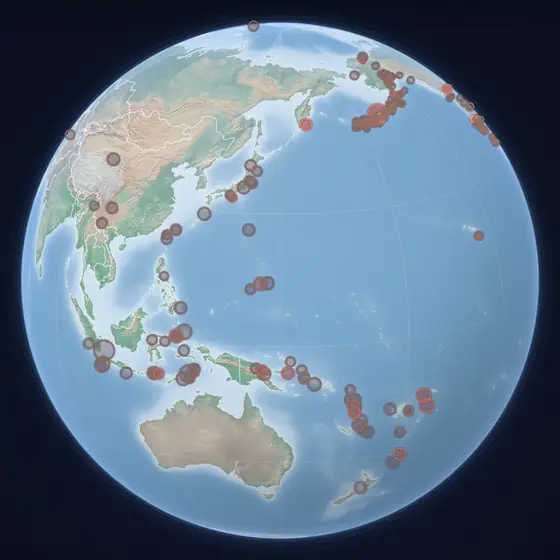 Earthquakes today, on a true-size map
 Every aircraft in the air, right now
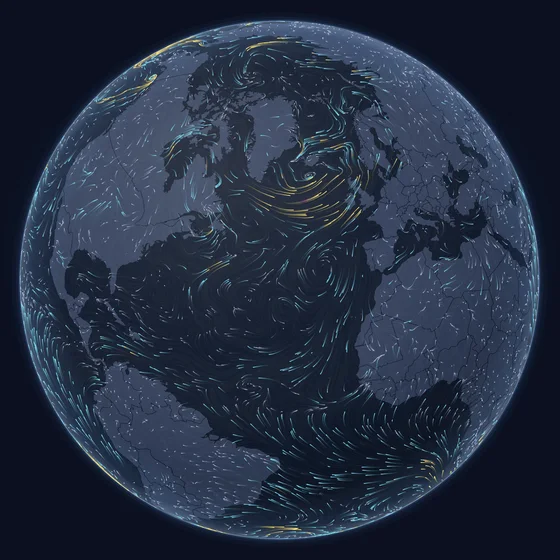 The wind, flowing over the whole planet
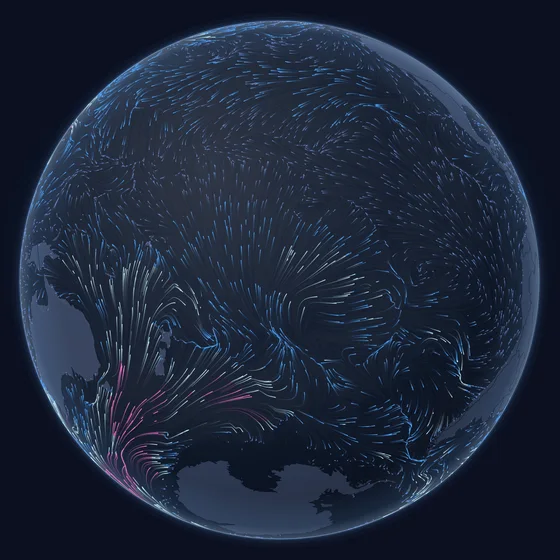 The sea, as high as it is right now
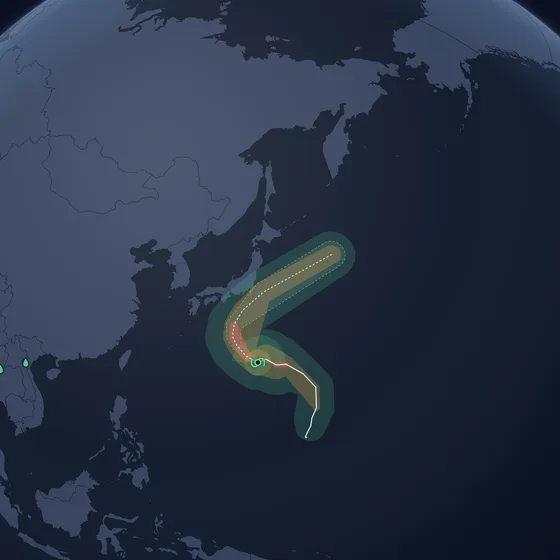 Hurricanes, typhoons and floods, right now
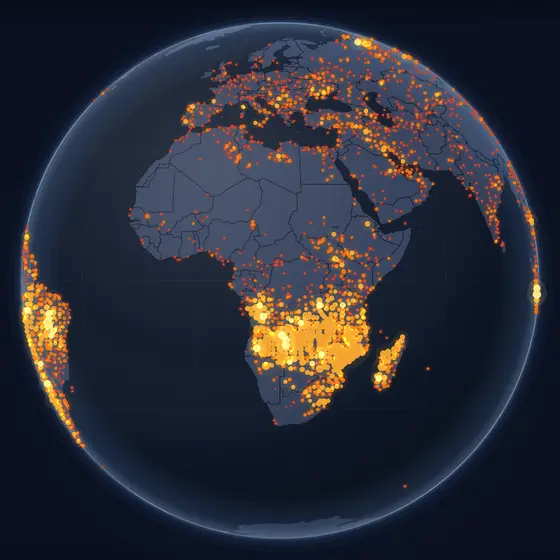 Fires burning now, seen from space
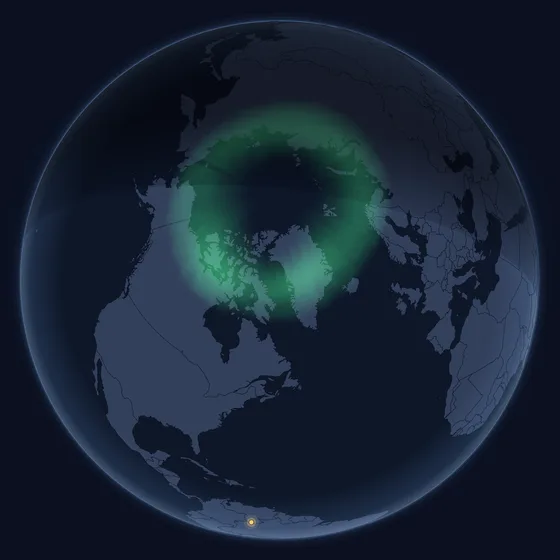 The northern lights, where they are tonight
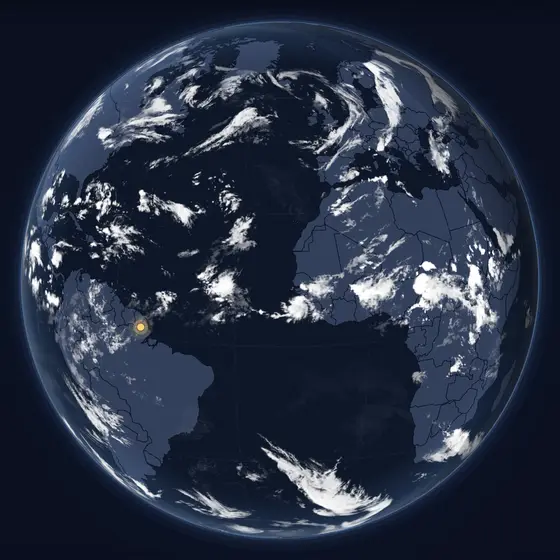 The sky from space, and where it is night
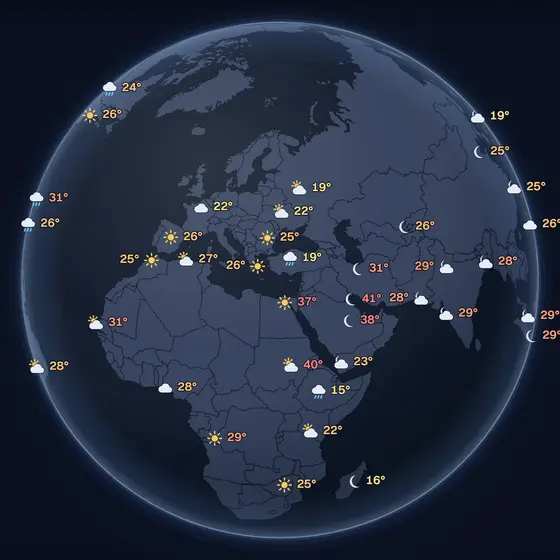 The temperature right now, around the world
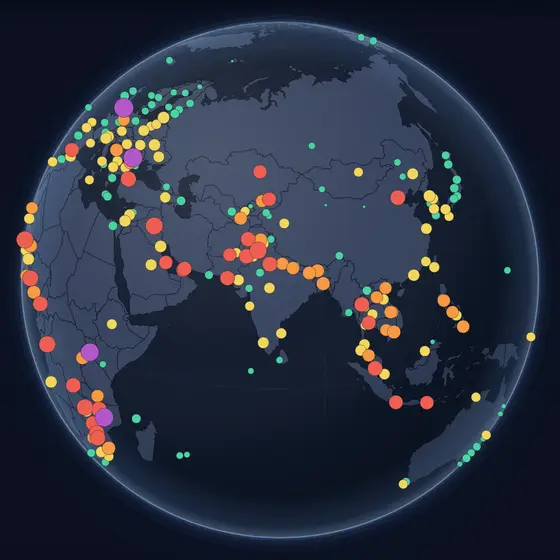 The air right now, where it is measured
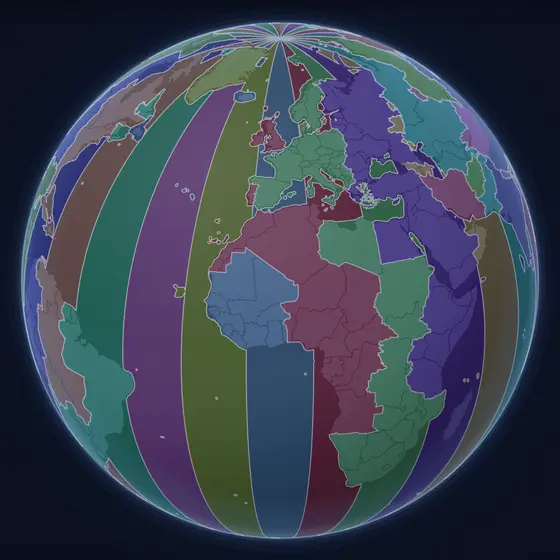 What time it is everywhere, right now
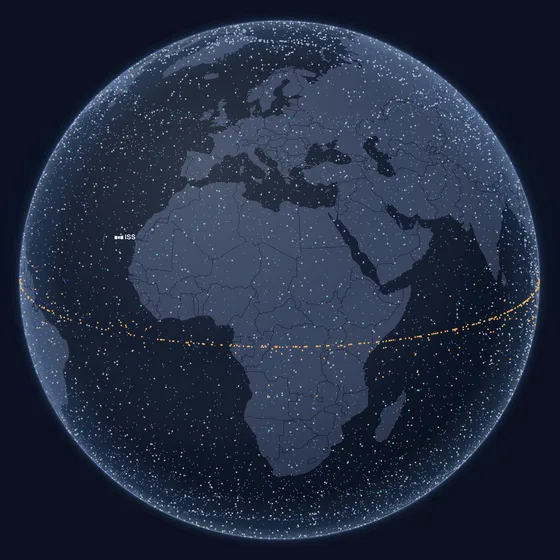 Every satellite, where it is this second
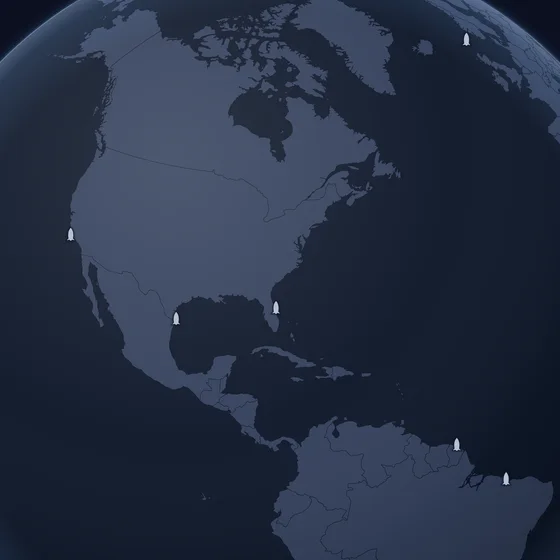 The next rockets to leave the Earth
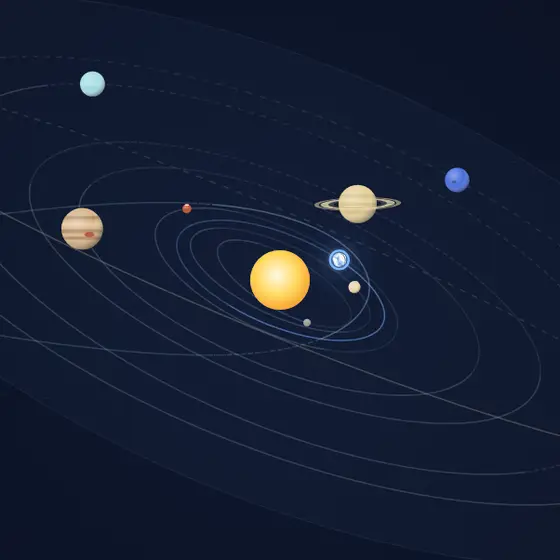 The Solar System, where the planets are today
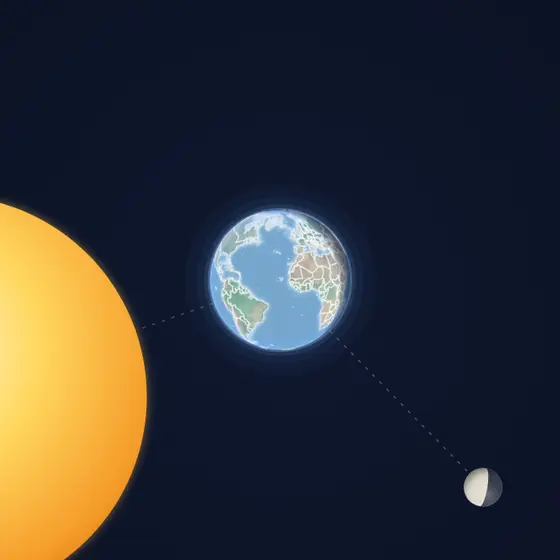 The Earth and the Moon, where they are now