Every satellite, where it is this second
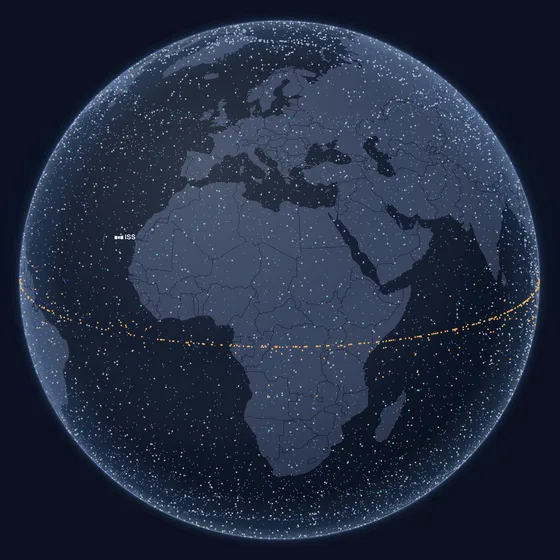
About sixteen thousand working satellites circle the Earth. Here is each of them above the spot it is passing over right now — the two crewed stations, the Starlink swarm, the navigation fleets and the ring of geostationary satellites over the equator.
What you are looking at
Each dot is one satellite, drawn over the point on the ground directly beneath it and coloured by what it is. Most are in low orbit and cross the map in minutes: watch the ISS and it goes round the world in an hour and a half. The orange ring along the equator does not move at all — those are the geostationary satellites, 35,786 km up, turning exactly as fast as the Earth. Tap any satellite for its height and speed, and the dashed line shows where it will pass during its next revolution.
How to read it
- White marks with a name are the crewed stations: the ISS and China's Tiangong.
- Blue is Starlink — more than half of everything working in orbit; green is navigation (GPS, Galileo, BeiDou), orange the geostationary ring.
- Tap a satellite for its height, speed, how long one revolution takes — and its path over the ground for the next one.
Where the data comes from
Orbital elements from CelesTrak, which republishes the US Space Force's public catalogue; Kartavera fetches them every eight hours. The positions are computed in your browser with SGP4, the standard model for these elements, and are good to a few kilometres.
Questions
- Where is the ISS right now?
- The figures at the top of this page say which country or ocean the International Space Station is over at this moment, and on the map it is the white mark labelled ISS. It circles the Earth every 92 minutes at about 27,600 km/h, some 420 km up.
- How many satellites are in orbit?
- About sixteen thousand working ones, and the number grows every week. More than ten thousand of them are Starlink satellites; a decade ago the total for every country and company together was under two thousand.
- Why do some satellites not move?
- A satellite 35,786 km above the equator takes exactly one day to go round — the same as the Earth takes to turn — so from the ground it hangs in one place. That is why a satellite dish can be bolted to a wall, and why weather and television satellites sit in that ring.
More of the planet, live
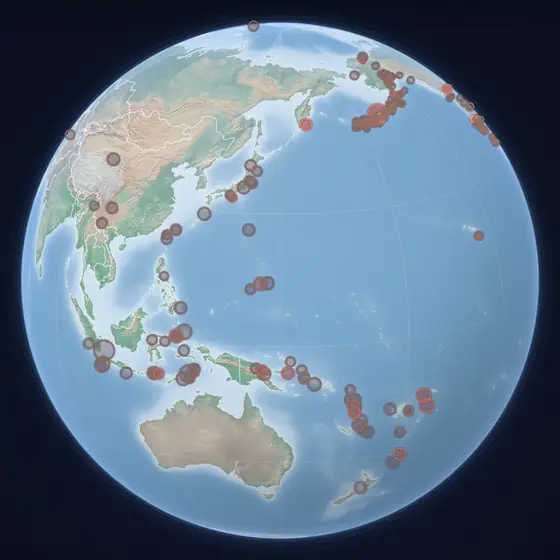 Earthquakes today, on a true-size map
 Every aircraft in the air, right now
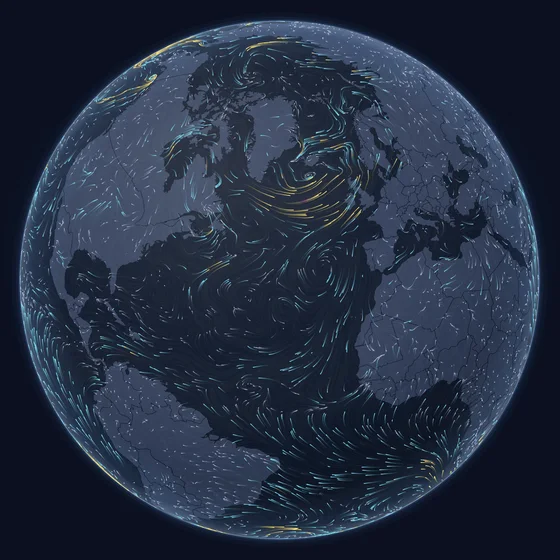 The wind, flowing over the whole planet
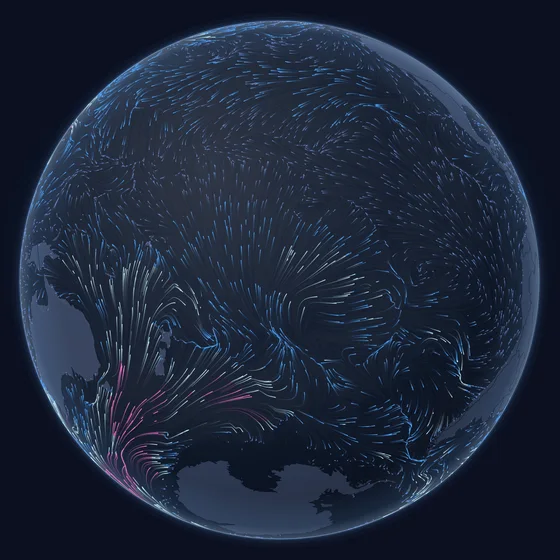 The sea, as high as it is right now
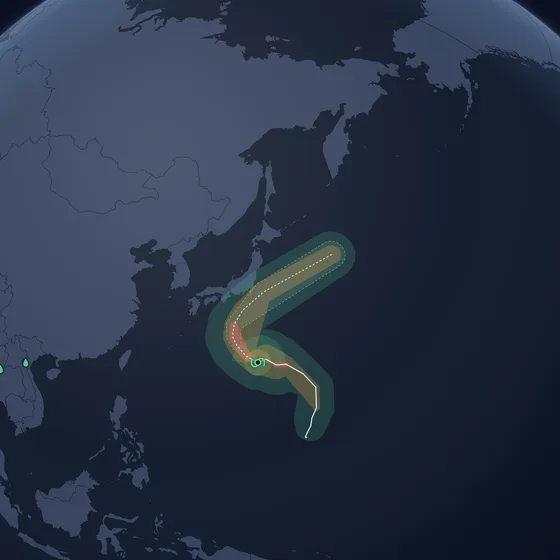 Hurricanes, typhoons and floods, right now
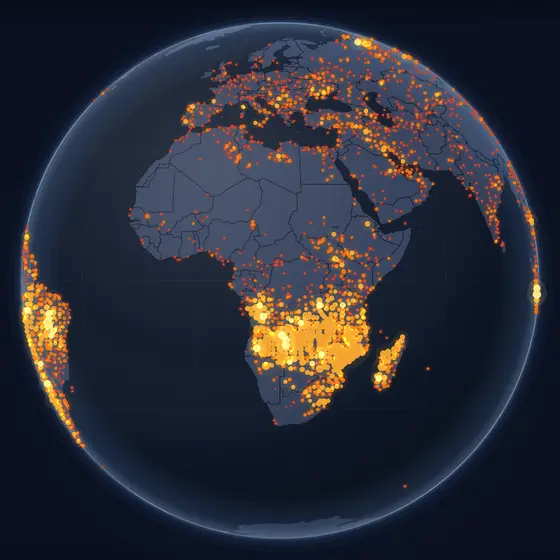 Fires burning now, seen from space
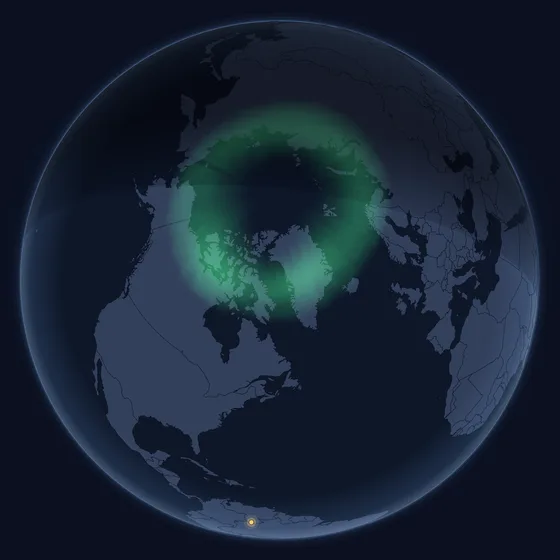 The northern lights, where they are tonight
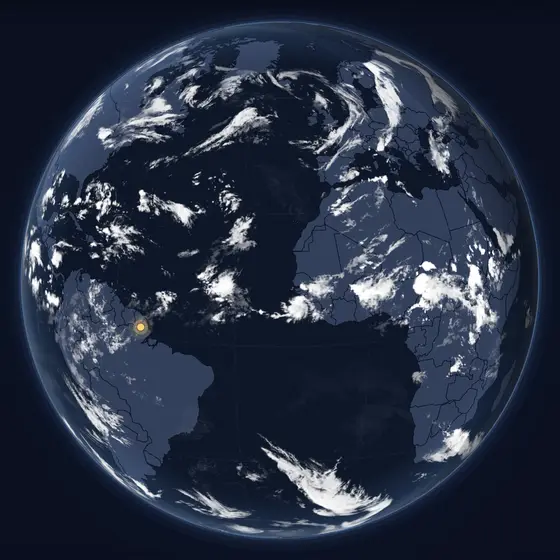 The sky from space, and where it is night
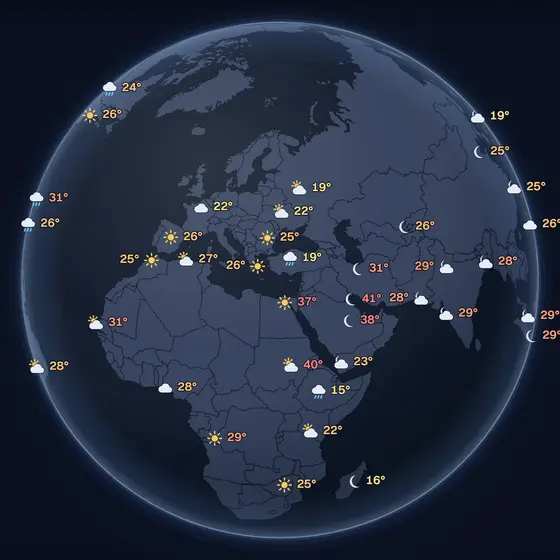 The temperature right now, around the world
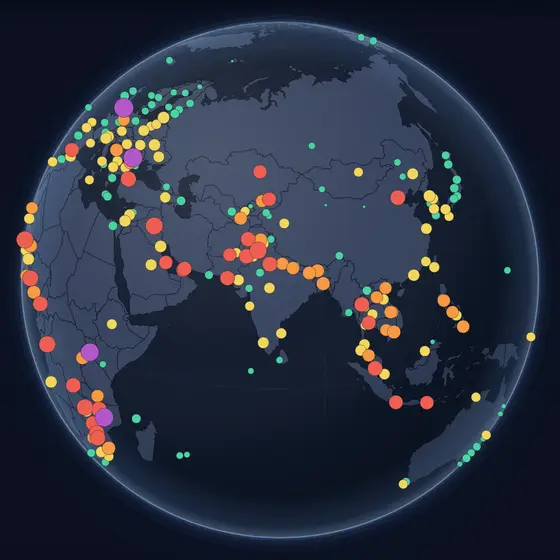 The air right now, where it is measured
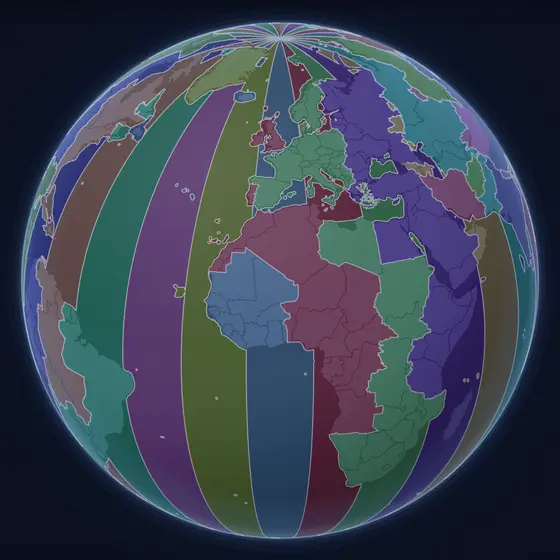 What time it is everywhere, right now
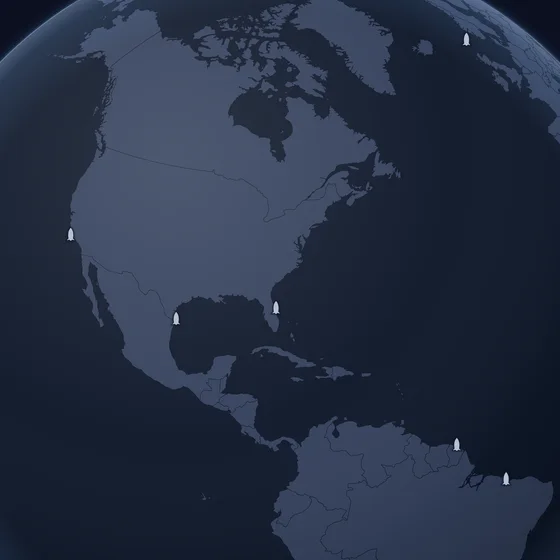 The next rockets to leave the Earth
 What is passing the Earth, and how close
 The Solar System, where the planets are today
 The Earth and the Moon, where they are now