The northern lights, where they are tonight
The green rings around the two poles are where the aurora is likely overhead in the next half hour, from NOAA's forecast — brighter where the chance is higher, wider when the Sun is stormy.
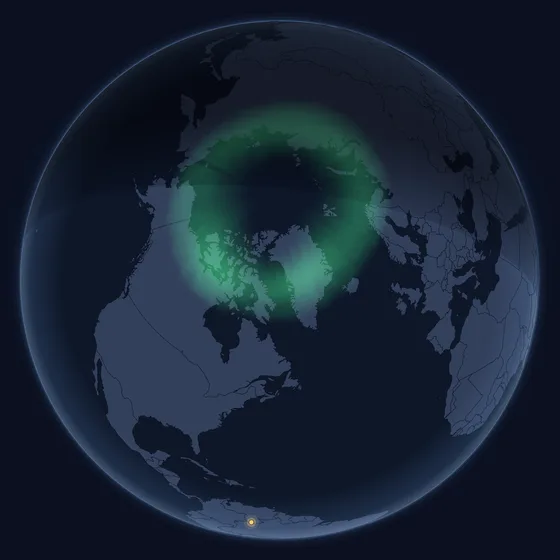
What you are looking at
The solar wind streams past the Earth all the time, and the planet's magnetic field funnels part of it down around the magnetic poles, where it makes the upper air glow. That oval is what you see here, computed from the solar wind a spacecraft measures a million and a half kilometres upstream, about half an hour before it arrives. Switch on day and night with it: the aurora is only visible where the sky is dark, so the part of the ring on the night side is the part worth going outside for.
How to read it
- Brighter green is a higher chance of aurora directly overhead; it can often be seen low on the horizon from a few hundred kilometres further from the pole.
- The Kp index runs from 0 to 9: at 5 and above it is a geomagnetic storm, and the ring reaches much lower latitudes.
- It has to be dark and clear: switch on Day & night and Clouds to see whether it is.
Where the data comes from
The OVATION aurora forecast and the planetary Kp index from NOAA's Space Weather Prediction Center (public domain). Kartavera asks every ten minutes while the layer is open.
Questions
- Can I see the aurora tonight?
- If the green ring on the map reaches your latitude, the sky is dark and the clouds stay away — yes, there is a chance. The forecast looks only half an hour ahead, because that is how far upstream the solar wind is measured; for the coming days, watch the Kp forecast.
- What is the Kp index?
- A number from 0 to 9 for how disturbed the Earth's magnetic field is, averaged over three hours from observatories around the world. Under 4 the aurora stays near the polar circles; at 5 it is a geomagnetic storm; at 7 and above it can be seen from central Europe or the northern United States.
- Why is there a ring around each pole and not a cap?
- The particles follow the magnetic field lines, and the lines that connect to the solar wind come down in a ring around each magnetic pole, not at the pole itself. That is why the best places for aurora are at about 65–70 degrees of latitude — northern Norway, Iceland, Alaska — rather than at the pole.
More of the planet, live
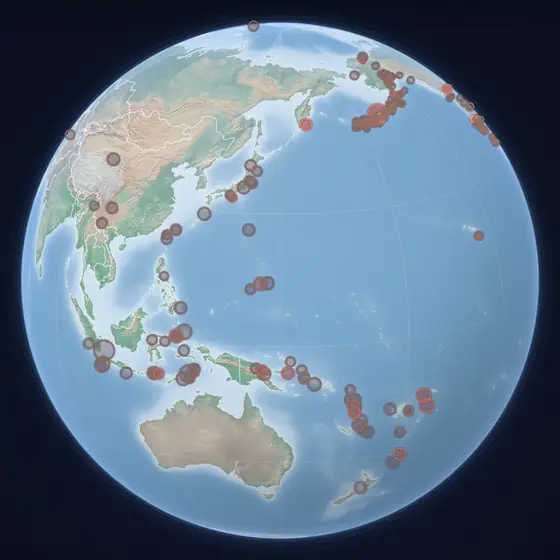 Earthquakes today, on a true-size map
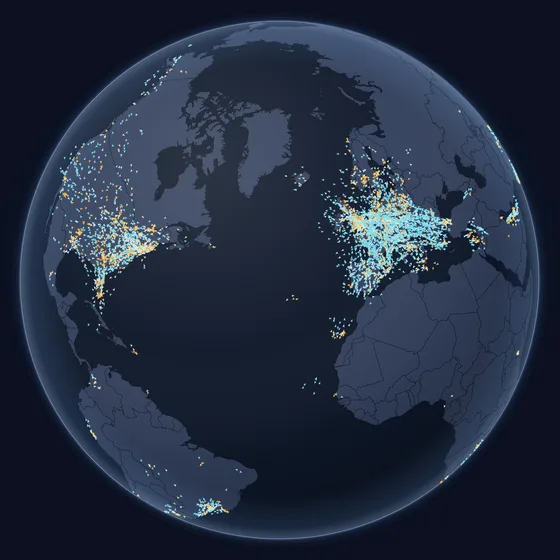 Every aircraft in the air, right now
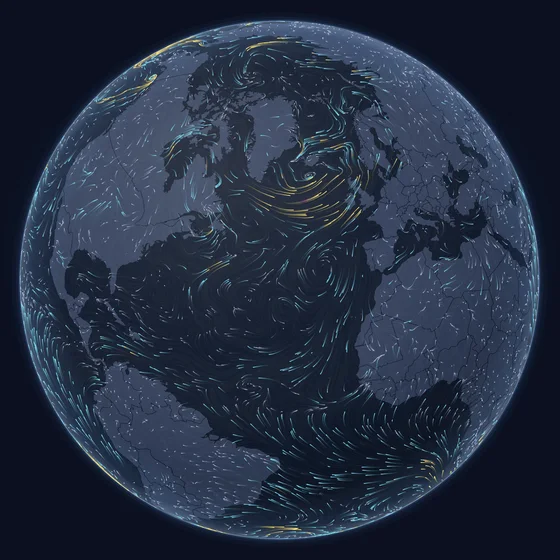 The wind, flowing over the whole planet
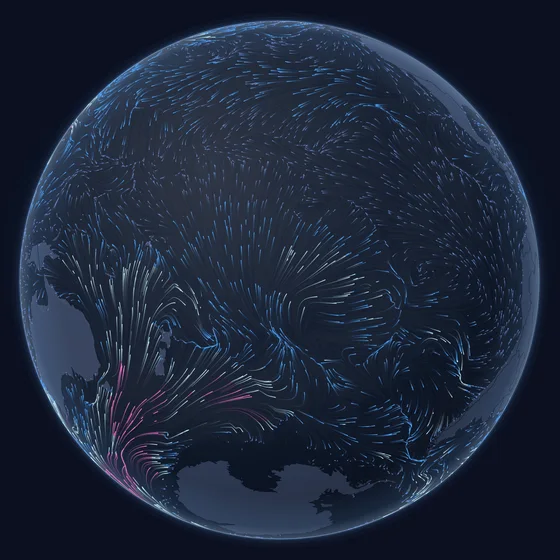 The sea, as high as it is right now
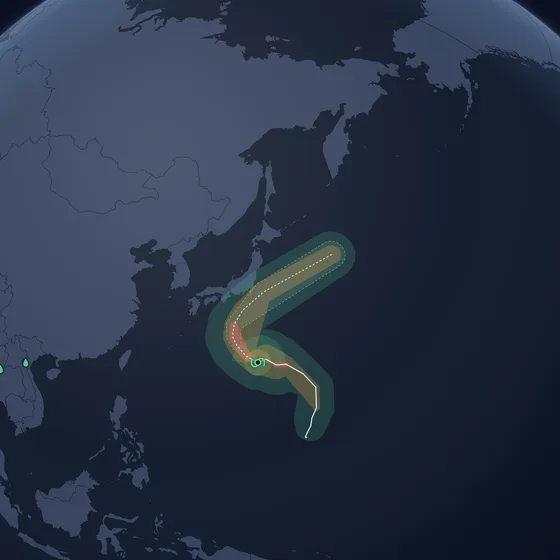 Hurricanes, typhoons and floods, right now
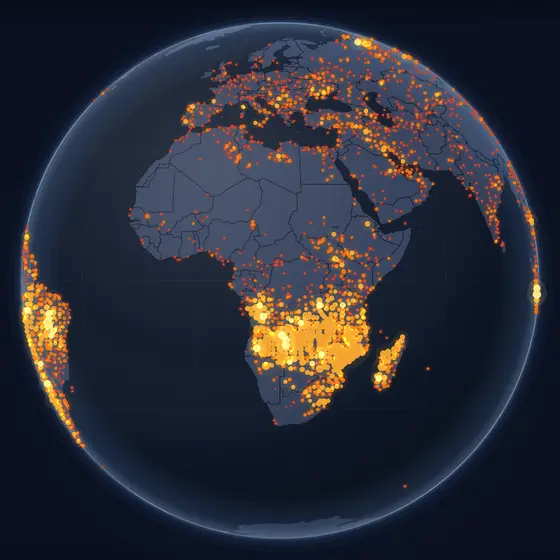 Fires burning now, seen from space
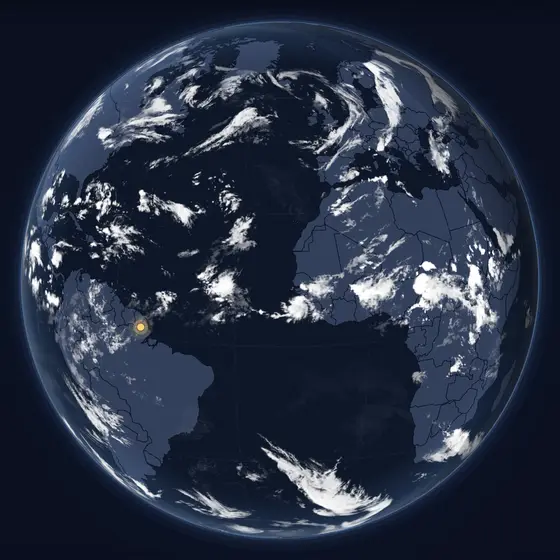 The sky from space, and where it is night
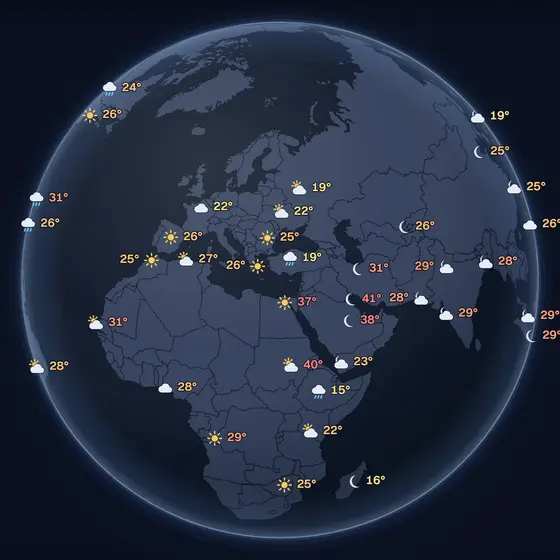 The temperature right now, around the world
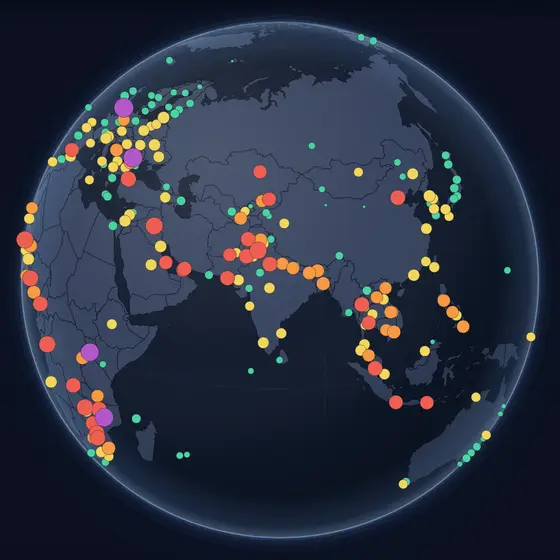 The air right now, where it is measured
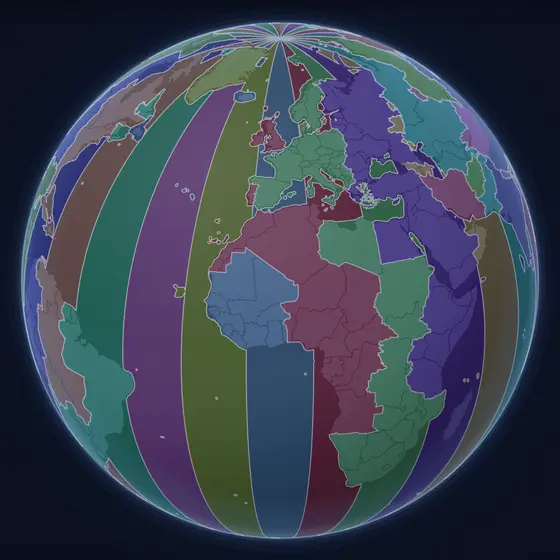 What time it is everywhere, right now
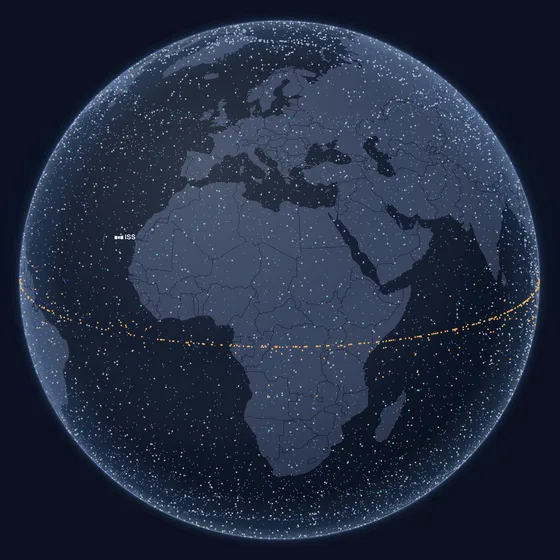 Every satellite, where it is this second
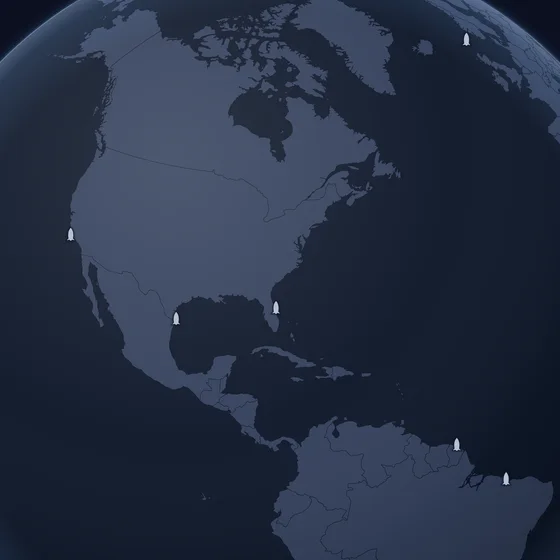 The next rockets to leave the Earth
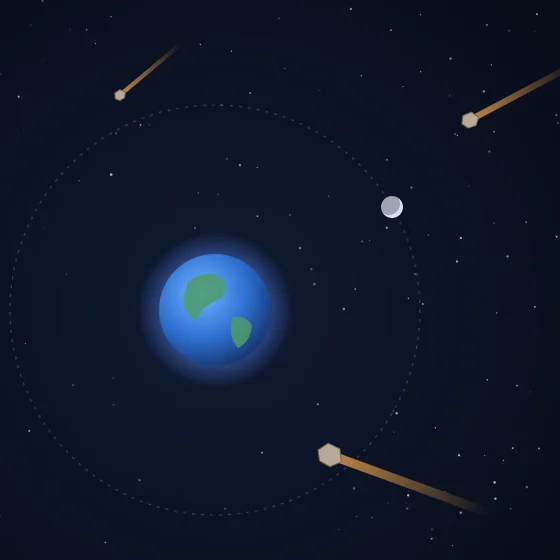 What is passing the Earth, and how close
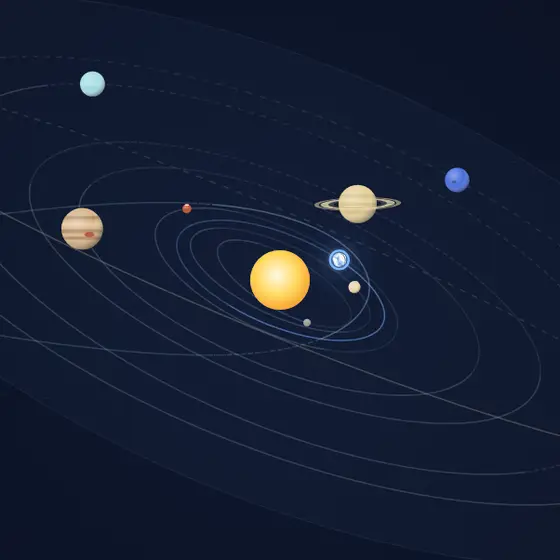 The Solar System, where the planets are today
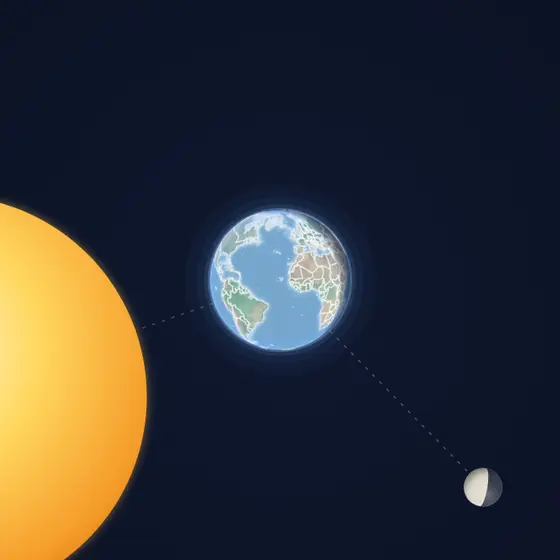 The Earth and the Moon, where they are now