The sea, as high as it is right now
Particles drifting the way the waves travel, brighter and faster where the sea is higher — from a ripple in the doldrums to the ten-metre swells under a Southern Ocean storm.
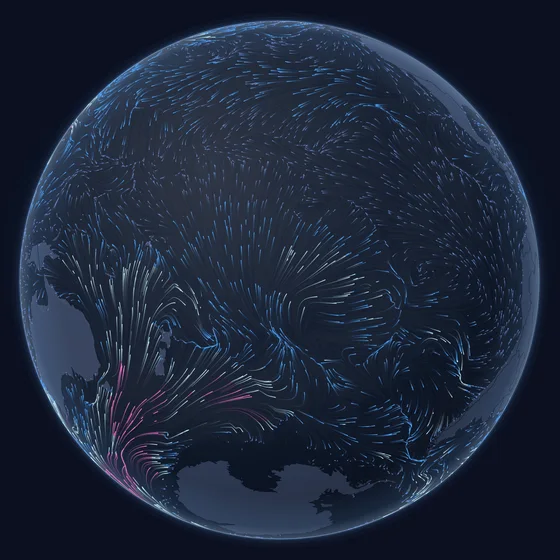
What you are looking at
The colour is the significant wave height: the average of the highest third of the waves, which is what a sailor would call the height of the sea. Deep blue is under a metre and a half, bright blue a moderate sea, pale blue a rough one, magenta a high sea of six metres and more. Storms far out at sea send swell across whole oceans, which is why a calm day can still bring big surf: follow the particles from a Southern Ocean low and they arrive, days later, on the coasts of Indonesia, California or Portugal.
How to read it
- Brighter, faster particles mean a higher sea; magenta is six metres and more.
- The particles move the way the waves travel, not the way the water flows — a wave passes through the water, it does not carry it along.
- Switch on Wind with it: the highest seas sit under the strongest winds, and the swell runs on long after the wind has dropped.
Where the data comes from
NOAA's WaveWatch III global wave model (public domain), the combined sea and swell for the hour nearest to now, read through the PacIOOS ERDDAP server of the University of Hawaii. Kartavera fetches a new field every three hours while the layer is open. The model stops at 77.5° north and south, and shows nothing under sea ice.
Questions
- Where are the biggest waves right now?
- The figure at the top of this page gives the highest sea on the model's grid this hour and where it is. Most days it is in the Southern Ocean, where the wind blows round the world with no land in its way — unless a hurricane or a North Atlantic winter storm is doing better.
- What does wave height mean?
- The figure is the significant wave height: the average of the highest third of the waves. Individual waves vary around it — about one in a hundred is one and a half times as high, and one in a few thousand is twice as high, which is where rogue waves come from.
- Why are there waves when there is no wind?
- Because waves outlast the wind that made them. A storm raises a sea, and the longest waves leave it as swell, crossing thousands of kilometres of ocean with little loss. The surf on a windless beach was often made by a storm a week ago and half an ocean away.
More of the planet, live
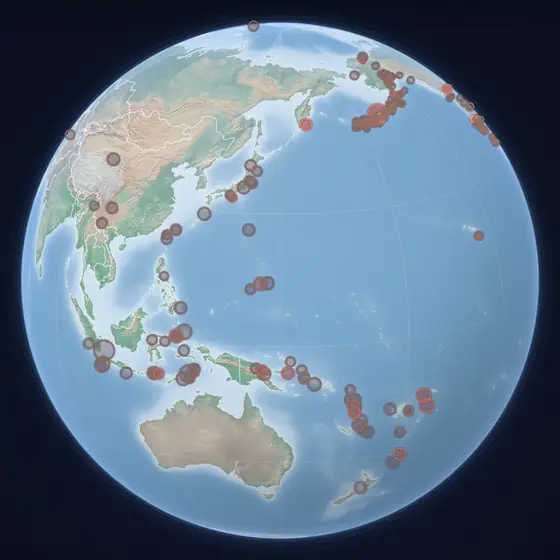 Earthquakes today, on a true-size map
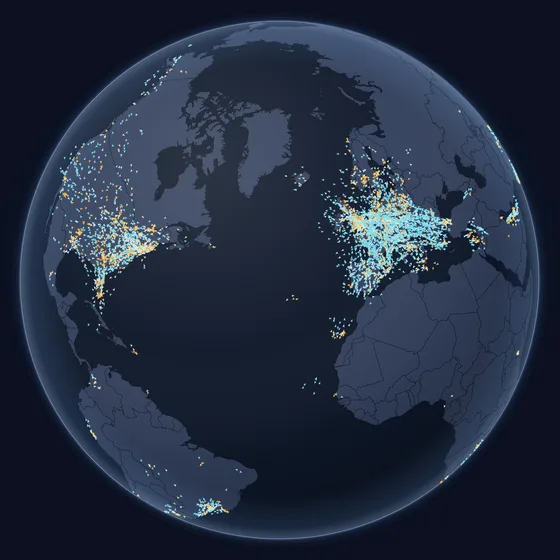 Every aircraft in the air, right now
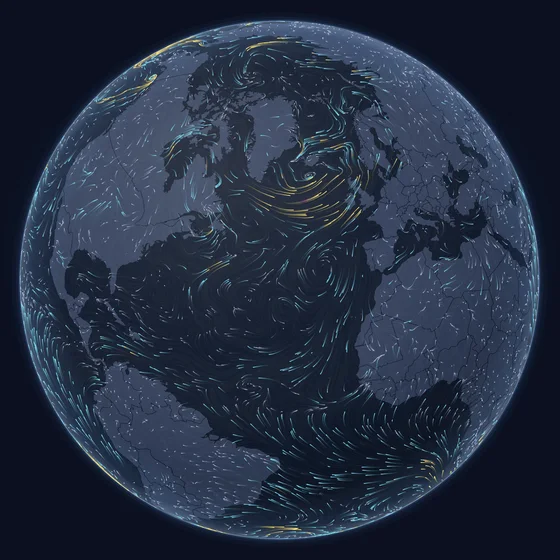 The wind, flowing over the whole planet
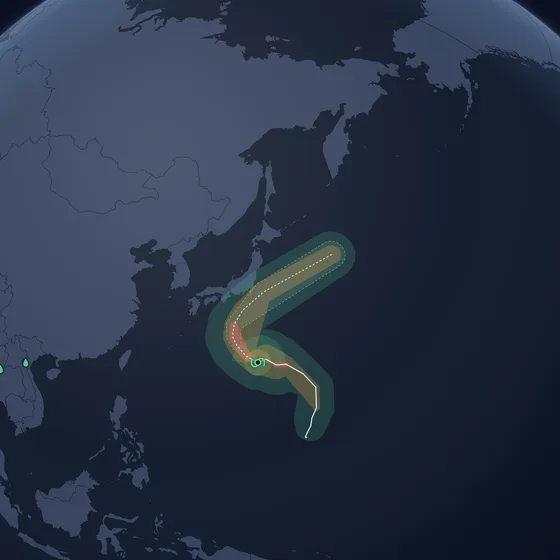 Hurricanes, typhoons and floods, right now
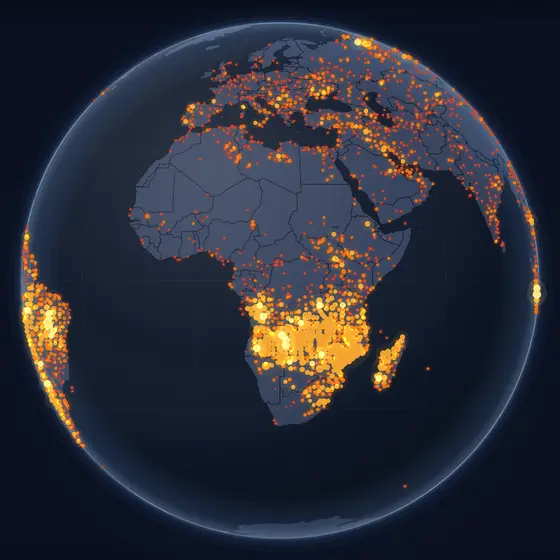 Fires burning now, seen from space
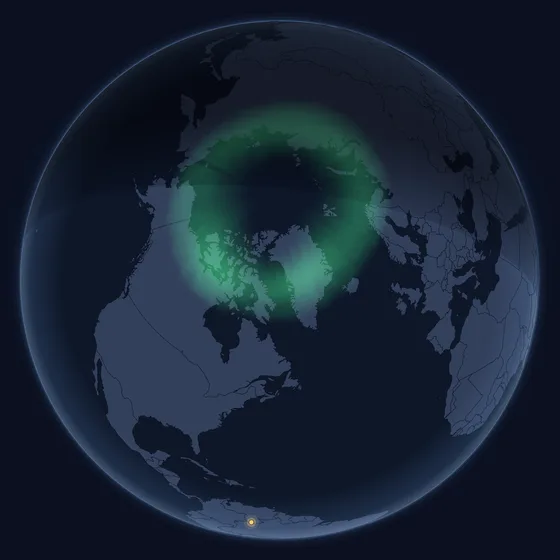 The northern lights, where they are tonight
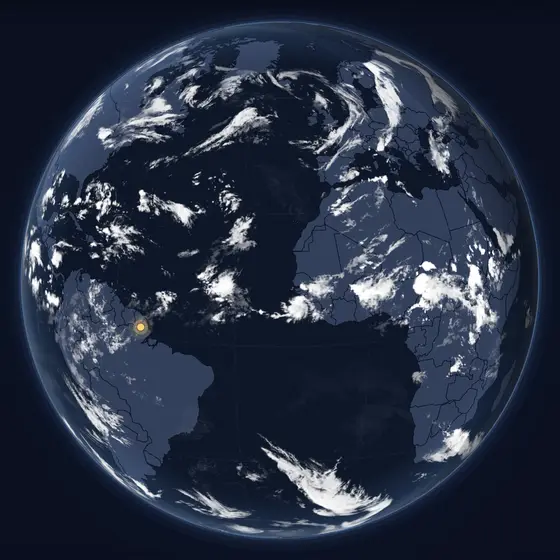 The sky from space, and where it is night
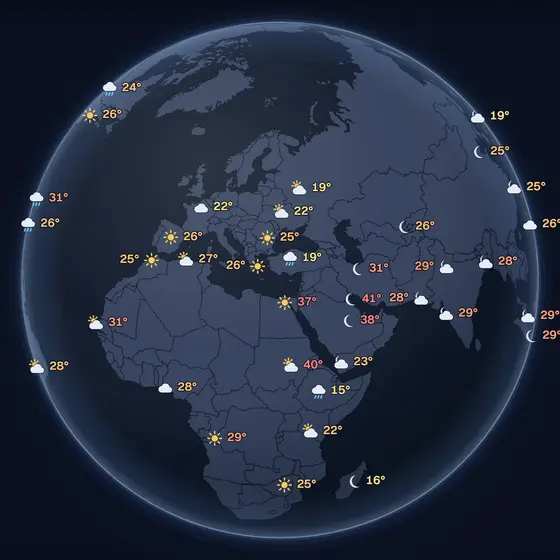 The temperature right now, around the world
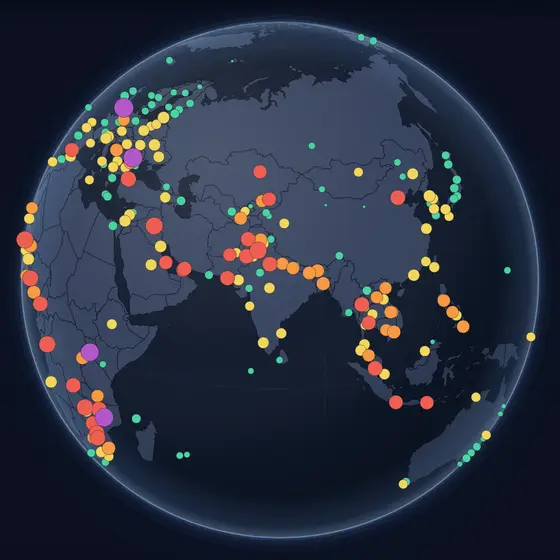 The air right now, where it is measured
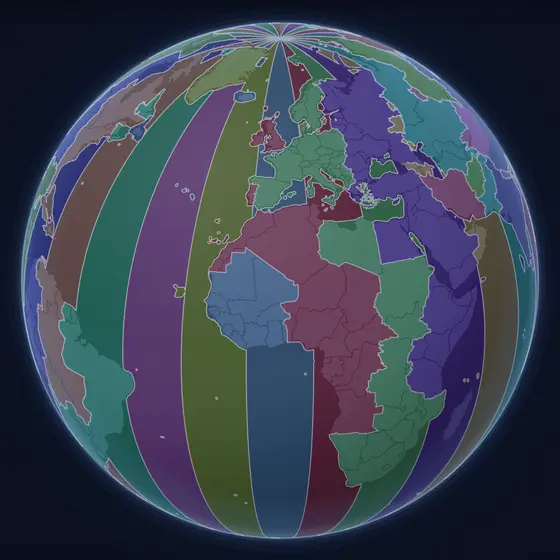 What time it is everywhere, right now
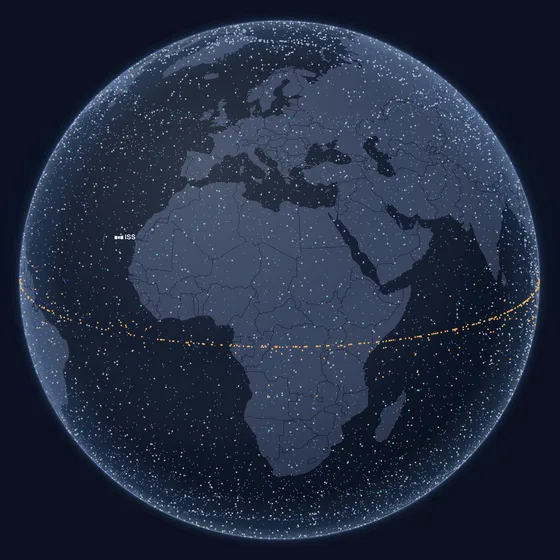 Every satellite, where it is this second
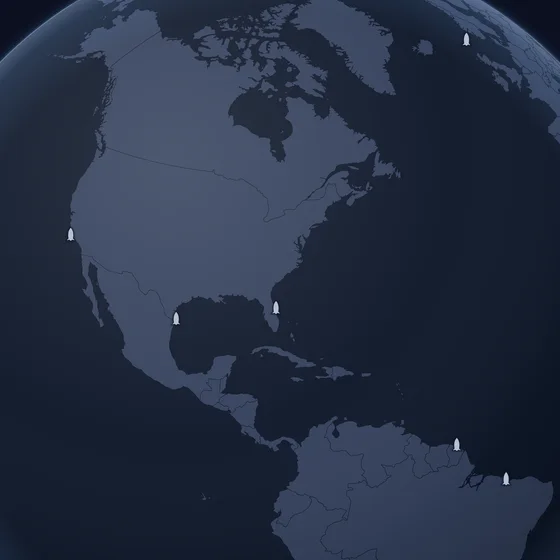 The next rockets to leave the Earth
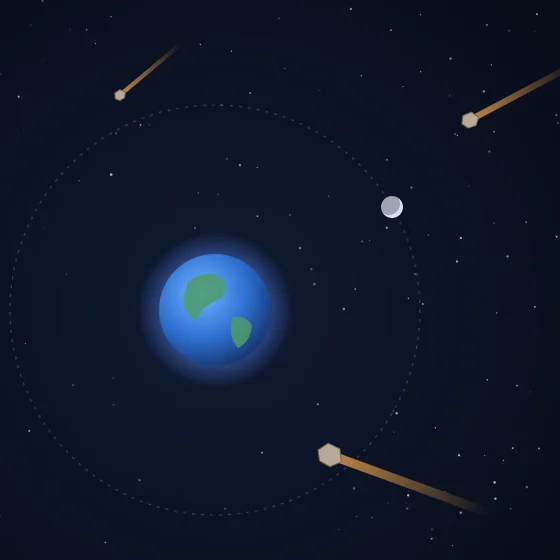 What is passing the Earth, and how close
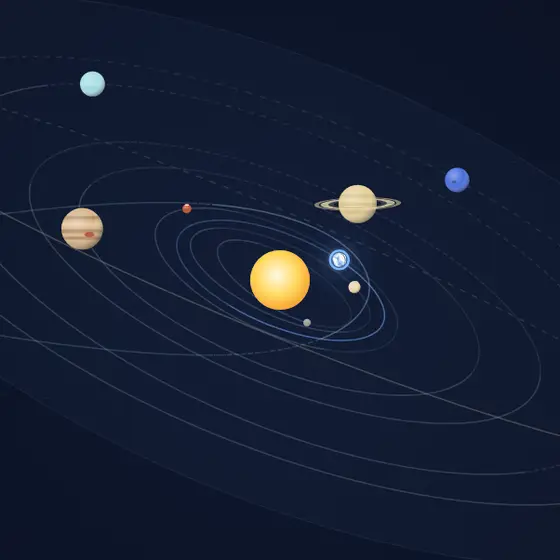 The Solar System, where the planets are today
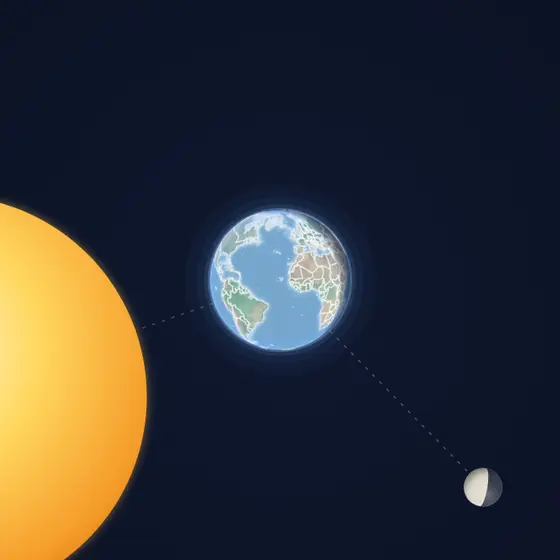 The Earth and the Moon, where they are now